Heating Options Beyond a Furnace in Wisconsin
A furnace is the default, but new builds, remodels, and outbuildings often call for something else.
October 14, 2026 · 4 min read
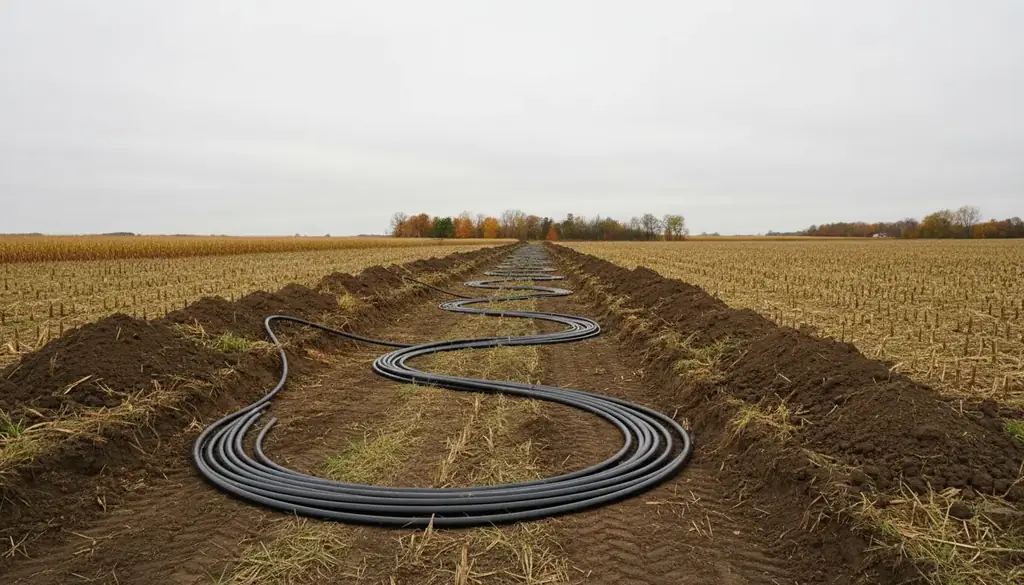
A furnace is the default in most Wisconsin homes, and for plenty of houses it's the right answer. It isn't the only one. Between new builds, remodels, and people who want to heat a shop or garage differently, other systems come up often. This post sticks to what R.A. Heating & Air Conditioning publishes about each option, so the claims below are the company's own figures, not general rules.
Start with the building, not the product
The first question is what you're heating and when it's being built. Some systems fit best into a new build or a remodel, where floors are open and lines can be run. Others suit an existing house. A few questions help narrow it down.
- Is this new construction, a remodel, or an existing home?
- How many rooms or buildings are you heating?
- Do you want one temperature throughout, or separate zones?
- Is the goal lower running cost, quiet operation, or even warmth underfoot?
Heat pumps
R.A. describes a heat pump as versatile: it handles heating, cooling, and humidity control. In summer it moves heat out of your home, and in winter it pulls heat in from outside. R.A.'s page says that in moderate climates, where temperatures don't regularly drop below freezing, a heat pump can be the answer for both heating and cooling. Wisconsin winters do go below freezing, so how a heat pump fits your particular house is a conversation to have with a technician, not an assumption.
R.A. installs, maintains, and repairs heat pumps, and says it keeps its NATE-certified technicians current through continuing education and its own on-site training center.
Geothermal
Geothermal systems tap the relatively constant temperature of the ground. Fluid runs through a loop buried underground, and the temperature of that fluid is converted into warm or cool air inside the house through heat exchangers. R.A.'s published list of benefits includes using 25 to 50 percent less energy than conventional systems, holding indoor relative humidity near 50 percent, zoning that allows different temperatures in different parts of the home, and a quiet two-speed system with no outside compressor.
Those are R.A.'s figures, and real results depend on the house. R.A. says geothermal can go in during new construction or a remodeling project.
Radiant in-floor heating
Radiant heat moves hot water through your floors, using a set of pumps, valves, tanks, and control systems. Much of the heat stays down where people are, instead of rising to hang around the ceiling. R.A. notes the idea isn't new: the Romans developed it more than 2,000 years ago. It's most common under tile or natural stone, but R.A. says it can be used with almost any flooring, including wood, carpet, or linoleum.
The benefits R.A. lists are efficient zone heating, silent operation because there are no blowers or motors, nothing visible, and no airborne contaminants. Because the system is complicated, it's a job for professionals, and R.A. says its installation process is most compatible with new construction or homes being remodeled.
Heatmor outdoor furnaces
A Heatmor is a stainless-steel furnace that sits outside and burns wood, corn, or used oil. It heats water, which is pumped underground to your home and connected to a heat exchanger, water heater, or furnace. R.A. notes these units also suit freestanding structures such as a garage, shop, pool, or spa.
R.A. says the units are built of 409 stainless steel, carry a limited lifetime warranty, and last three times longer than outdoor furnaces made from lesser grades of steel. Those are claims worth asking about, including what the warranty covers. R.A. also says the more rooms you heat with a Heatmor, the more likely you are to save.
Plan for it early
Several of these systems are easiest to decide on before the walls close. R.A.'s new construction page says its energy-efficient systems include geothermal, Heatmor units, and radiant in-floor heating, and that it works with builders and homeowners while the plans are still being drawn. If you're building a single home or planning a remodel, bring the question up early. Lines and loops are far simpler to place on paper than to retrofit later.
It's also worth thinking about service. A system you'll depend on every January should be one that someone local installs, maintains, and repairs, with a number to call at midnight. R.A. says it responds to emergency situations around the clock.
A word about rebates and credits
R.A.'s pages mention energy and tax rebate paperwork for several of these systems and say it will help with that paperwork. Programs and rules change, so this post doesn't quote amounts. Ask which ones apply to your project, and confirm current details with the program itself or a tax professional before you count on one.
Each option has its own page: Heat Pumps, Geothermal, Radiant In-Floor Heating, and Heatmor Systems. To work out which one fits your project, call R.A. Heating & Air Conditioning on the main line at (608) 882-6221.
R.A. Heating & Air Conditioning, (608) 882-6221
Call (608) 882-6221More articles
Furnace Noises: Which Ones Mean Call Now
Most furnace sounds are routine, but a few are the furnace telling you something is wrong.
What a 15-Point Furnace Inspection Actually Checks
A furnace tune-up is a defined list of checks, and knowing the list makes the visit easier to value.